.png)
How Corrective Exercises Support Injury Recovery and Long-Term Healing

Updated: Jan 17
Corrective exercises are more than just a fitness trend. At Head 2 Toe, we see them as a foundational part of recovery that helps our patients move better, feel better, and prevent future injury.
In this post, I’m breaking down exactly why corrective exercises are effective, what makes them work, and how you can start using them in your own recovery routine, whether you're an athlete, a parent, or someone dealing with day-to-day pain.

What Are Corrective Exercises?

Corrective exercises are targeted movements designed to improve how your body moves. They help address muscle imbalances, improve joint alignment, and retrain faulty movement patterns that often cause pain or lead to injury.
The goal isn’t just to build strength. It’s to restore balance, stability, and mobility where your body needs it most. That might look like strengthening your glutes to support your low back, or improving shoulder stability to reduce impingement and tension.
These exercises are used by chiropractors, rehab specialists, and movement professionals because they work. They meet your body where it's at and help you rebuild the foundation for better movement.
How Corrective Exercises Help You Heal
Corrective exercises play a big role in recovery because they:
Improve blood flow to injured areas
Support healthy joint movement
Reduce inflammation and stiffness
Reinforce proper movement patterns
These movements also boost your confidence. When you move without pain, you start to trust your body again.
Corrective work is always part of the plan at Head 2 Toe. We don’t just treat pain. We figure out why it’s happening and give you the tools to fix it.
The Science Behind Injury Recovery
A growing body of research supports the efficacy of corrective exercises in promoting injury recovery. Studies have shown that controlled movement encourages the healing process by increasing blood flow to affected areas.
Enhanced circulation provides essential nutrients and oxygen to tissues, which is critical in the recovery phase. Additionally, research has indicated that corrective exercises can effectively reduce pain, improve mobility, and restore function in various musculoskeletal injuries.
The mind-body connection plays a significant role in injury recovery as well. Engaging in corrective exercises necessitates mental focus and physical coordination, creating an environment where mental barriers can be overcome. As patients actively participate in their recovery, they not only see improvements in their physical well-being but also gain confidence in their abilities. This interplay between the mind and body can be a powerful motivator for individuals going through the rehabilitation process.
Furthermore, the principles of biomechanics provide a framework for understanding how corrective exercises facilitate recovery. By analyzing movement patterns, therapists can identify maladaptive behaviors that contribute to injury and develop strategies to correct them. Through targeted interventions that emphasize optimal movement mechanics, individuals can achieve more effective recovery outcomes, making this approach not just beneficial but essential.
Benefits of Corrective Exercises in Recovery
The multifaceted benefits of incorporating corrective exercises into injury recovery programs extend beyond mere physical improvement. One of the primary advantages is the promotion of long-term well-being; by addressing underlying issues, individuals are more likely to prevent future injuries. As they restore function, they develop crucial strength and flexibility needed for their specific activities, whether in sports or everyday life.
Another benefit lies in the psychological aspect of recovery. Engaging in corrective exercises can significantly reduce feelings of frustration or helplessness associated with injuries. As individuals see measurable progress, their confidence in their bodies begins to return, which is often a crucial requirement for full recovery. This emotional boost can create a positive feedback loop, encouraging further commitment to the rehabilitation process.
Corrective exercises also foster a more profound understanding of one’s body mechanics. This awareness equips individuals with the knowledge to modify their movements and activities better, promoting overall resilience against future injuries. It’s about empowering them to take control of their rehabilitation, leading to a more engaged and proactive approach to their health.
In essence, the benefits of corrective exercises are holistic, addressing physical, psychological, and educational facets of injury recovery, laying the groundwork for a thorough recovery process that can yield lasting results.
How to Implement Corrective Exercises into Your Routine
Step 1: Movement Assessment
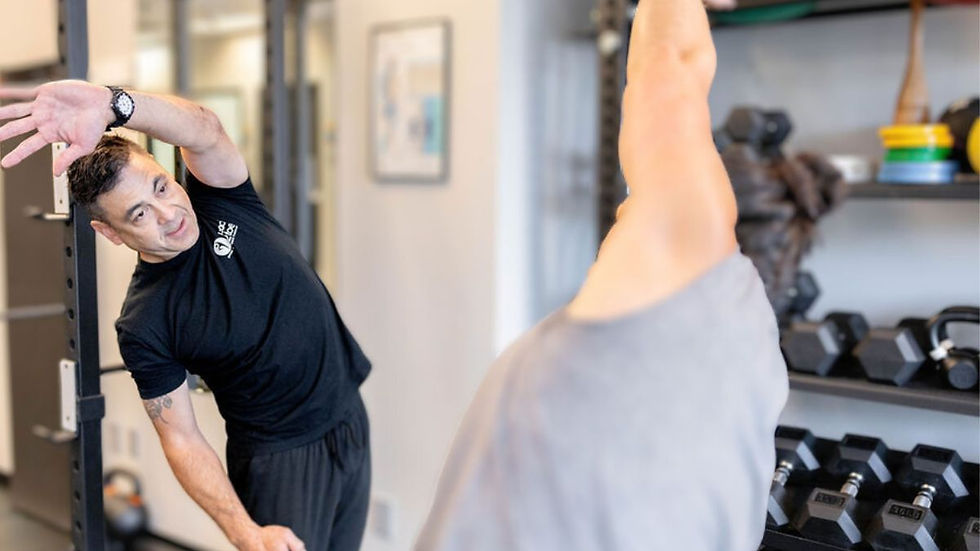
Integrating corrective exercises into daily routines requires a thoughtful approach tailored to the individual’s needs. A structured plan should begin with a comprehensive assessment to identify specific areas that require attention. This assessment can either be performed by a qualified healthcare professional or a dedicated practitioner who understands the intricate relationship between movement and injury recovery.
Step 2: Focus on Mobility & Flexibility First
Once the assessment is complete, individuals can start with simple exercises that focus on flexibility and mobility. Gradually, they should progress to strength-building exercises that not only target the injured area but also promote stability in surrounding muscle groups. A well-rounded routine that includes these corrective exercises should ideally be complemented by complementary strategies, such as proper warm-up routines, cooldown stretches, and even relaxation techniques like yoga or pilates.
Step 3: Track Progress & Go Slow
To maintain motivation, individuals can establish measurable goals and track their progress over time. As they achieve milestones, whether it’s improved range of motion, reduced pain, or the ability to perform daily tasks with ease, they reinforce their commitment to the rehabilitation process. Furthermore, working with a therapist or trainer can provide accountability and professional guidance, ensuring that exercises are performed correctly and effectively to maximize recovery.
6 Common Myths About Corrective Exercises
Corrective exercises are a powerful tool in the recovery process, but there’s still a lot of confusion around what they are and who they’re for. At Head 2 Toe, we use these exercises daily to help people of all ages and activity levels move better, feel better, and stay pain-free.
1. They’re Only for Athletes
You don’t have to be a gym-goer or play sports to benefit from corrective exercises. Most of our patients are everyday people: desk workers, parents, weekend hikers, retirees. These exercises are about fixing movement patterns and improving how your body functions, whether you're carrying groceries, chasing kids, or sitting at a desk.
2. They’re Only for Injury Recovery
Corrective exercises are great for rehab, but they’re just as important for prevention. They help improve posture, joint stability, and mobility, reducing your risk of future injuries. Think of them as long-term body maintenance, not just a short-term fix.
3. They Take Too Much Time
Most corrective routines take less than 10 minutes a day. You don’t need an hour-long workout. You need consistency and the right movements. Our team shows you how to integrate these into your daily life or warmups so you can get results without a huge time commitment.
4. They’re Painful or Too Hard
Corrective doesn’t mean aggressive. These exercises are designed to meet you where you are, not push you into more pain. We tailor every movement to your comfort and ability, gradually increasing challenge as your body gets stronger and more stable.
5. They’re Just for Rehab Patients
Corrective exercise isn’t just for people already in pain. It’s also for those who want to move better, train smarter, and build long-term resilience. From athletes trying to prevent injury to seniors looking to stay mobile, these strategies apply to everyone.
6. Any Stretch or Exercise Will Work

Not all movement is corrective. You can stretch or foam roll daily and still miss the root cause of your pain. Corrective exercises are purposeful. They are designed to address specific imbalances or dysfunctions in your body. That’s why working with a trained provider makes such a difference.
Real-Life Success Stories of Corrective Exercises
Final Thoughts on Corrective Exercises
In summary, the integration of corrective exercises into injury recovery programs can significantly enhance the healing process by addressing root causes of pain and dysfunction. While they are not a standalone solution, when combined with appropriate rehabilitation strategies, these exercises can lead to improved outcomes for those recovering from injuries. Ultimately, a tailored approach considering individual needs can provide the best results in injury recovery.
